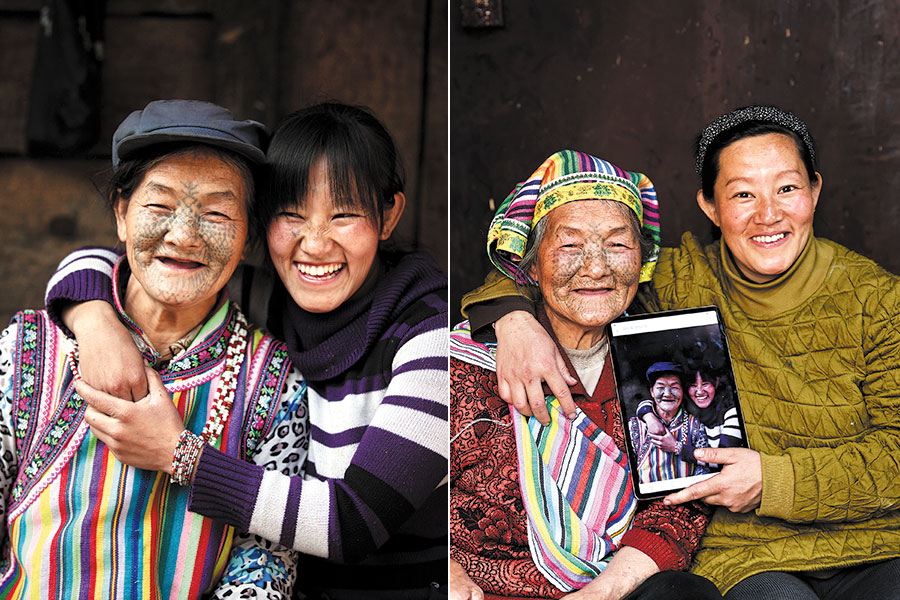
Derung Ethnic Group
Introduction
The Derung ethnic group is one of the smallest ethnic communities recognized in the People's Republic of China. Predominantly residing in the southwestern province of Yunnan, the Derung people are primarily concentrated in Dulongjiang township, Gongshan county, within the Nujiang Lisu autonomous prefecture. With an approximate population of around 7,000, the Derung community represents a unique facet of China's rich tapestry of ethnic diversity. Despite their small numbers, the Derung people maintain a distinct cultural identity, characterized by their traditional customs, language, and way of life. The community's historical seclusion in the remote and rugged terrains of the Hengduan Mountains has played a significant role in preserving their cultural heritage. However, contemporary developments, including improved infrastructure and poverty relief efforts, have gradually opened up the region, enabling closer interaction with the outside world.
History
The history of the Derung ethnic group is closely intertwined with the geographical and environmental challenges of their homeland. The Derung people have historically been isolated due to the formidable terrain of the Hengduan Mountains, often referred to as the "wrinkles of the Earth" due to the intense tectonic activity that shaped the region. This isolation contributed to the preservation of their unique cultural practices and traditions. Historically, the Derung have relied on subsistence agriculture to sustain their community, cultivating crops suited to the mountainous landscape. The construction of a horse track in 1964 marked a significant development in connecting the Derung people with neighboring regions, albeit with ongoing challenges due to the harsh environment and difficult travel conditions. The advent of modern infrastructure, particularly the construction of roads and tunnels in recent decades, has gradually integrated the Derung community into broader socio-economic frameworks, facilitating access to external resources and opportunities.
Geography and Population
Geographically, the Derung people inhabit a region defined by dramatic landscapes, including steep mountain ranges and deep river valleys. Their primary settlement area, Dulongjiang township, is located in the northwestern part of Yunnan province, within the Nujiang Lisu autonomous prefecture. The region is characterized by its rugged terrain and the presence of the Nujiang River, which flows through a series of steep canyons. The Derung population is predominantly concentrated in this area, with approximately 60% residing in Dulongjiang township. Due to the challenging geography and limited arable land, the Derung have historically engaged in small-scale farming, often on terraced fields carved into the mountainsides. Recent infrastructure improvements, including new roads and transportation links, have facilitated greater mobility and access to services for the Derung population, contributing to improved living conditions and economic prospects.
Language
The Derung language is a vital component of the community's cultural identity, serving as a key medium for the transmission of oral traditions, folklore, and communal knowledge. The language belongs to the Tibeto-Burman family. The Derung language is considered vulnerable, with a limited number of fluent speakers primarily among the older generations. The absence of a widely adopted written script further challenges the preservation and transmission of the language. Efforts to document and promote the Derung language are ongoing, often involving collaboration with linguistic scholars and cultural heritage organizations. These initiatives aim to safeguard the language as an integral part of the Derung's cultural heritage and to ensure its transmission to younger generations.
Culture
Traditional Customs
The Derung ethnic group is known for its rich tapestry of traditional customs, which form an integral part of their cultural identity. These customs are deeply rooted in their historical way of life and are reflective of their close connection to the natural environment. Traditional clothing, known for its vibrant colors and intricate patterns, is a distinctive aspect of Derung culture. Facial tattoos, historically worn by women, are one of the most recognizable features of Derung cultural expression, although this practice is gradually diminishing among the younger population. The Derung community also maintains a variety of customary practices related to agriculture, hunting, and communal ceremonies, each imbued with unique rituals and significance.
Festivals
Festivals play a central role in the cultural life of the Derung community, serving as occasions for communal gathering, celebration, and cultural expression. These festivals often coincide with agricultural cycles and seasonal changes, reflecting the community's traditional reliance on farming. Festivals such as the Harvest Festival provide an opportunity for the Derung people to express gratitude for the bounty of the land, featuring traditional songs, dances, and communal feasting. Such events are also occasions for the reaffirmation of social bonds and the transmission of cultural practices across generations. The preservation and revitalization of traditional festivals are supported through local and governmental initiatives, recognizing their importance in sustaining the cultural heritage of the Derung people.
Music and Dance
Music and dance are integral to the cultural heritage of the Derung ethnic group, serving as vital expressions of communal identity and tradition. Traditional Derung music often features native instruments and vocal performances, characterized by unique melodies and rhythms reflective of the community's cultural milieu. Dance forms an essential component of communal gatherings and celebrations, with performances often depicting themes from daily life, nature, and folklore. These artistic expressions are crucial for the continuation of cultural narratives and the fostering of communal pride. Efforts to document and promote traditional Derung music and dance are part of broader cultural preservation initiatives, ensuring that these art forms remain vibrant and accessible to future generations.
Economy
The economy of the Derung ethnic group has historically been based on subsistence agriculture, with farming practices tailored to the challenging mountainous environment. Crops commonly cultivated include corn and other staples, often grown on terraced fields. In recent years, there has been a gradual shift towards more diverse economic activities, driven by poverty alleviation efforts and infrastructural improvements. Additionally, the development of local tourism, facilitated by improved transportation networks, has opened avenues for supplementary income through homestays and cultural tourism. These economic developments are contributing to the transformation of the Derung community, fostering economic resilience and greater integration into regional and national economic frameworks.
Cultural Promotion and Preservation
The promotion and preservation of Derung culture are critical priorities, necessitating collaborative efforts between local communities, cultural institutions, and government agencies. Initiatives aimed at documenting and safeguarding intangible cultural heritage, such as oral traditions, traditional art forms, and language, are central to these efforts. The compilation of oral traditions by research teams, as part of broader cultural heritage protection programs, exemplifies these endeavors. Such initiatives not only aim to preserve cultural knowledge but also to foster a renewed sense of identity and pride among the Derung people. Additionally, the promotion of cultural tourism provides opportunities for showcasing Derung cultural heritage to broader audiences, contributing to both cultural preservation and economic development. These efforts underscore the importance of cultural heritage as a living and dynamic aspect of the Derung community's identity and their contributions to the rich diversity of China's ethnic landscape.








